
Blog / Car Maintenance Tips

Blog

All Car Maintenance Tips Toyota National and Worldwide News Toyota Community Events Central City Toyota Breaking News Toyota Information Fun Facts Dealership Information Helpful Tips Philadelphia Toyota Dealer Sale Events Pre-Owned Vehicles Service and Repair TV and Radio Commercials Certified Pre-Owned Press Release Used Toyota in Philadelphia, PA Philadelphia Community Toyota RAV4 Used Toyota Models Auto Shows Best Used Cars Collision Center Fun Facts About Toyota Philadelphia Breaking News Toyota 4Runner Toyota Highlander Toyota models Toyota's hybrid lineup Toyota-certified pre-owned lot Used Car Sales Used Toyota Used Toyota Prius Used Vehicles at Central City Toyota Preowned
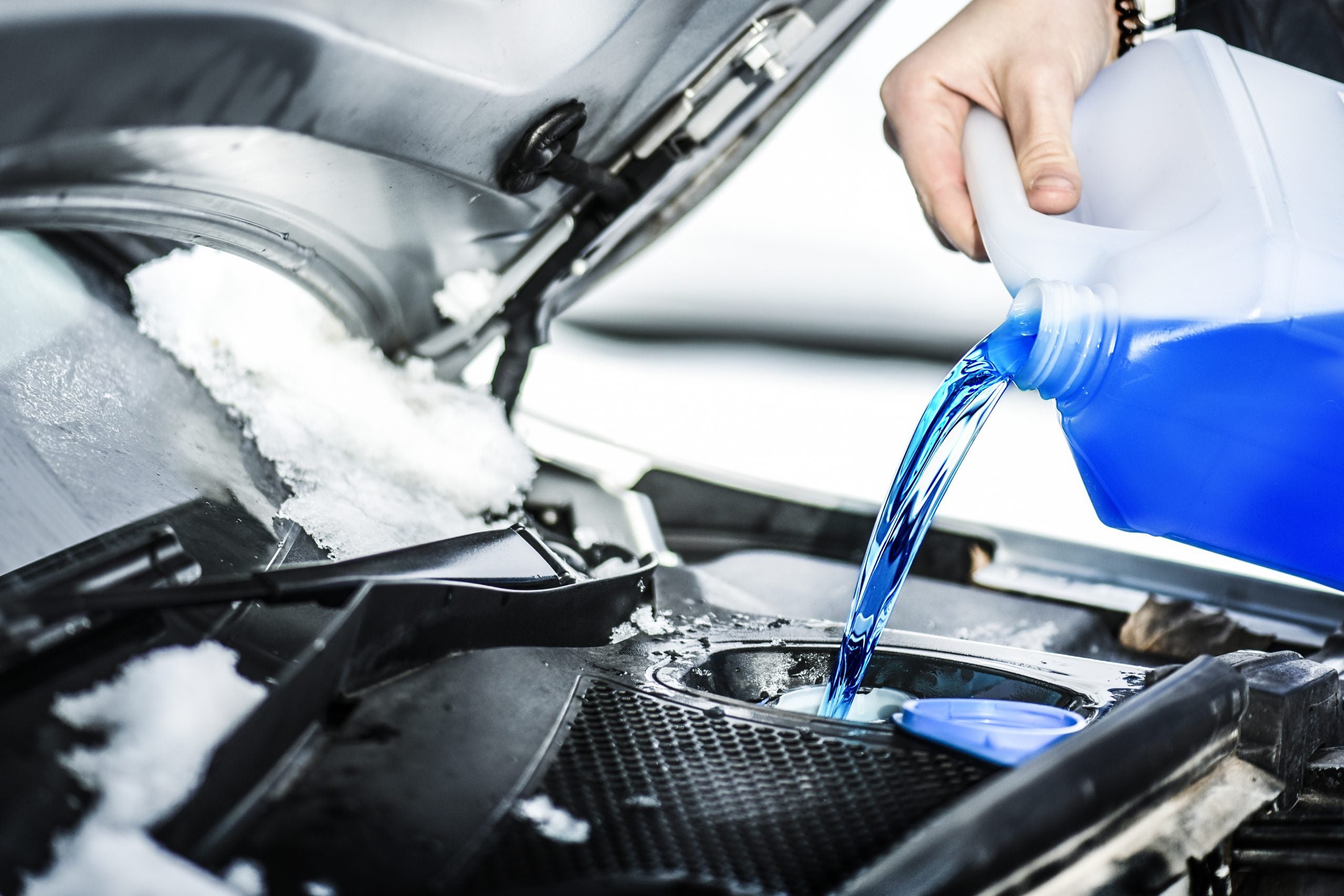
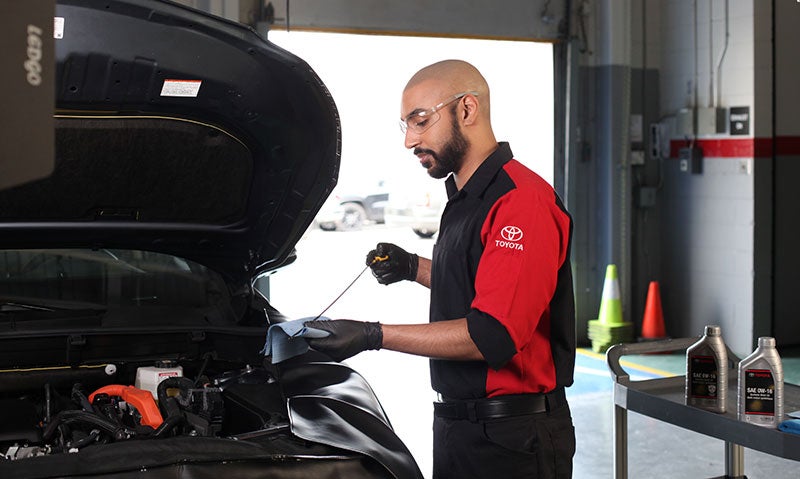
A Toyota Certified Technician checking the fluid levels of a Toyota vehicle

Toyota Fluid Maintenance: Essential Checks for Peak Performance

Your Toyota relies on various fluids to keep its systems functioning efficiently. These liquids serve many functions, such as lubricating moving parts and preventing overheating, and are essential for the upkeep of your car's health and performance. Regularly checking and maintaining fluid levels helps avoid costly repairs and ensures your vehicle runs smoothly for years. more Why Routine Fluid Checks Matter Ignoring your Toyota’s fluid levels can lead to serious issues under the hood. Low or contaminated fluids can cause components to overheat, wear down, or fail entirely. By performing routine Toyota fluid checks, you can catch potential problems early and extend the life of your vehicle. Essential Toyota Fluid Checks Engine Oil Toyota engine oil lubricates internal components, reduces friction, and prevents overheating. To check your oil: Locate the dipstick, pull it out, and wipe it clean. Reinsert it fully, then remove it again to check the level. The oil should fall between the minimum and maximum markers. Dark or gritty oil may indicate contamination, while consistently low levels could signal a leak. Coolant (Antifreeze) Coolant helps regulate your engine’s temperature and prevents overheating. To inspect your Toyota coolant levels: Wait for the engine to cool before opening the hood. Locate the coolant reservoir and ensure the level is between the low and full lines. Discolored coolant or a sweet smell could indicate contamination or a leak. For optimal engine performance, schedule a coolant flush at Central City Toyota. Brake Fluid Toyota brake fluid transfers the force from your foot on the pedal to the braking system. To check it: Locate the brake fluid reservoir in the engine bay. Ensure the fluid is clear to light yellow and within the recommended level. Dark, dirty fluid or a spongy brake pedal could mean it's time for a brake fluid flush. Our certified Toyota technicians in Philadelphia can check your brake fluid and ensure safe, responsive braking. Transmission Fluid Transmission fluid keeps your gears shifting smoothly and prevents overheating. Depending on your Toyota model: Some vehicles have a dipstick for checking fluid color and level. The fluid should be amber or red, not dark brown or burnt-smelling. If your transmission feels sluggish, it may need servicing. For Toyota transmission service in Philadelphia, trust Central City Toyota’s expert team to keep your vehicle running smoothly. Identifying Fluid Leaks and Contamination Leaks and contamination can impact your Toyota’s performance. Signs of trouble include: ✔ Puddles under your car – Different fluids have distinct colors (e.g., green for coolant, red for transmission fluid). ✔ Unusual smells – A burnt or sweet smell could indicate a fluid issue. ✔ Dashboard warning lights – Alerts may signal low fluid levels or system malfunctions. If you notice any of these signs, schedule service with a certified Toyota technician to prevent further damage. Trust Central City Toyota for Expert Fluid Maintenance While DIY fluid checks are helpful, professional Toyota maintenance ensures everything is properly inspected. Our certified service team can: 🔧 Perform in-depth fluid checks 🔧 Flush old, contaminated fluids 🔧 Identify leaks before they become costly repairs Keep your Toyota running smoothly with expert maintenance from Central City Toyota in Philadelphia. Schedule a service appointment today!
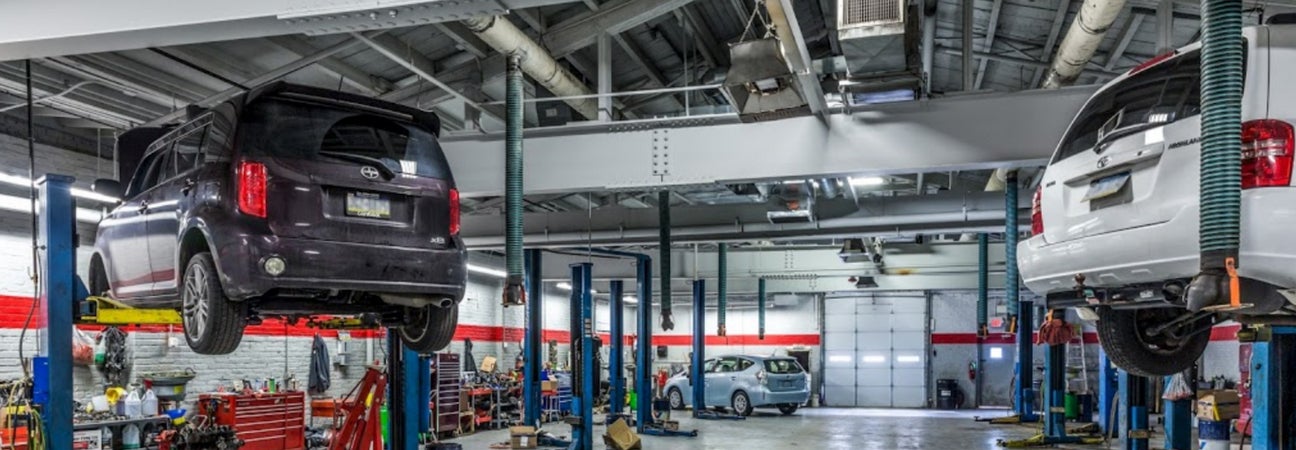
Toyota service center

Essential Maintenance Tips for Pre-Owned Toyota Vehicles

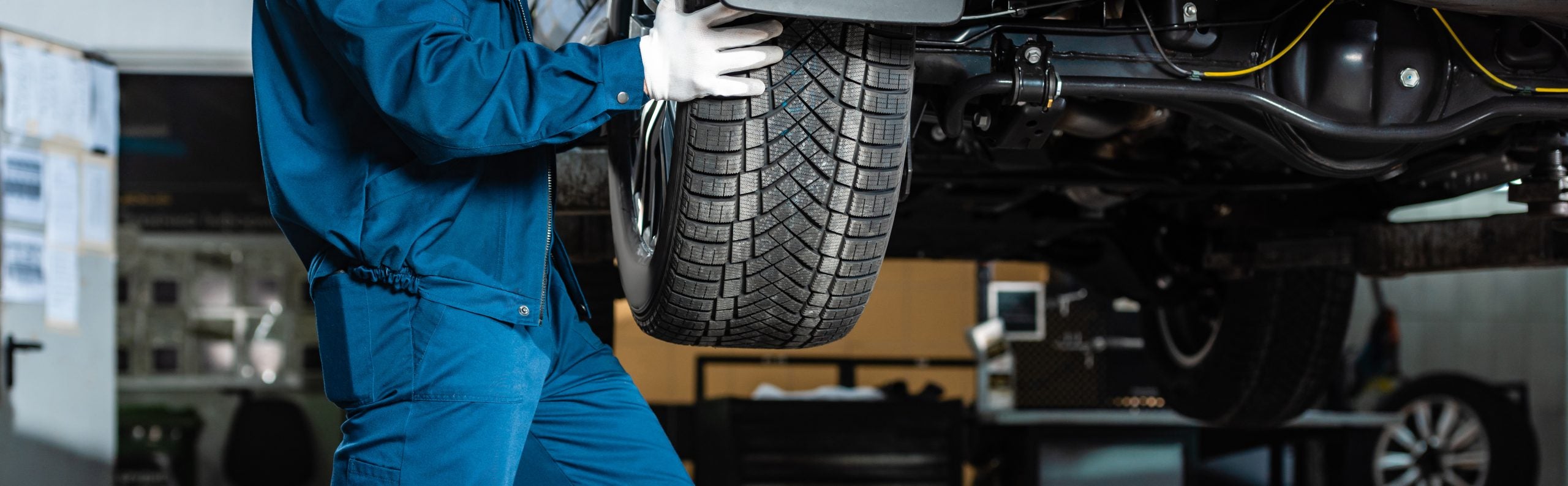
Owning a used Toyota can feel like having a reliable old friend. Known for their longevity and performance, these vehicles are a great choice for buyers exploring used cars in Philadelphia. However, even the most reliable cars need some TLC to keep running smoothly. Here’s how you can ensure your used Toyota stays in top shape, offering you miles of trouble-free driving. Regular Oil Changes Keep Engines Purring Changing the oil frequently is crucial for any car, but especially for used vehicles. Fresh oil ensures that the engine remains lubricated and runs efficiently. If you're visiting used car lots near me, make sure to ask about the vehicle’s oil change history. Regular oil changes help extend the life of your engine and improve fuel efficiency. Tire Checks for Safety and Efficiency Your tires are where the rubber meets the road, literally. Ensuring they are in good condition can prevent accidents and improve your car's fuel economy. Check for adequate tread and proper inflation. You can often find great tire deals at a Philadelphia car dealership, where experts can also help with alignment and rotation. Keep an Eye on the Brake System Brakes are another critical area of vehicle maintenance. Listen for unusual sounds and watch for changes in how your brakes respond. If you notice any issues, a quick visit to your local philadelphia car dealership can help address these problems before they become serious safety concerns. Battery Maintenance for Reliable Starts Nothing is worse than a dead battery when you’re in a rush. Regularly checking your battery’s health can prevent inconvenient breakdowns. Clean any corrosion from terminals and ensure that the battery is securely mounted. Most used cars in Philadelphia come with a service history detailing past battery replacements, so don’t hesitate to ask. Stay on Top of Fluid Levels Your Toyota relies on various fluids to function effectively, including coolant, brake fluid, and transmission fluid. Check these regularly to avoid overheating and mechanical failures. If you’re unsure how to do this, experts at used car lots near me can guide you through the process. Visit Central City Toyota Maintaining a used Toyota doesn’t have to be daunting. With regular care and attention, your vehicle can continue to serve you well for many years. For personalized advice and service, consider visiting Central City Toyota, your trusted Philadelphia car dealership. They can provide expert guidance tailored to your vehicle’s needs. Take these steps today to ensure your used Toyota remains as reliable as the day you bought it!

checking tires

5 Used Car Maintenance Tips

Keeping your vehicle in good working order takes work. With proper maintenance, however, you can confidently drive your used car for many years to come. In addition, keeping up with routine maintenance can actually help you to avoid major mechanical problems, which means you will be saving a lot of time and money. No matter what type of used car you drive, make sure to keep these maintenance tips in mind. Read the Maintenance Schedule from Your Owner’s Manual All vehicles come with an owner’s manual, and in that manual is the manufacturer’s recommended schedule for normal maintenance. While most people know about things like oil changes, there are many other tasks that need to be done on a set schedule. Keeping up with things like transmission flushes, belt replacements, filter replacements, and more will really help to extend the life of your used car. Inspect Your Tires Regularly Properly working tires are critical for a smooth and safe ride. Check the tread of your tires every few months to make sure they are sufficient. In addition, check the air pressure in your tires to ensure there are no leaks and that they are properly inflated. Good tires can make a huge difference in the overall ride and safety of your vehicle. Check Your Air Conditioning Checking the refrigerant on your air conditioning system is essential. If you notice that your AC is not blowing as cold as it once was, it may need to be recharged. Air conditioning is not only important during the hot months of the summer, but it also helps to pull moisture out of the air to make defrosting the windshield more effective all year long. Take Action on All Body Damage It can be tempting to just ignore a little scratch or dent on your car. While these things may be minor blemishes at first, they should always be fixed as soon as possible. Scratches will remove the protective paint, which leaves your vehicle susceptible to rust. Dents are unsightly and can also be the first indicator of further damage behind the panels. In most cases, fixing minor body damage right away is simple and affordable, especially when compared to the costs of trying to deal with it months or years down the road. Check Fluid Levels when Filling Up Checking things like oil levels, engine coolant, transmission fluids, windshield wiper fluid, and other liquids in your vehicle is important. Getting in the habit of checking these levels each time you fill up your vehicle with gas is a good idea. It is always better to add additional fluids before it causes a problem. Some fluids will be used up normally over time, but for others, low fluid levels is an early indicator of a leak or other problem that needs to be addressed as soon as possible. Central City Toyota Service Center If you find anything wrong with your vehicle that you aren’t comfortable fixing on your own, the experienced mechanics at our car dealership in Philadelphia are here to help. Also be sure to check our T oyota service coupons that can help you save on your next visit. Give us a call at (215) 660-3049, or schedule a service appointment today.

Winter Car Maintenance

Don’t Forget These Winter Car Service Tips

As winter approaches, it’s important that you ensure your vehicle is properly prepared. You don’t want to end up stuck on the side of the road in the middle of a winter night. To help you out, we’ve compiled a list of great tips for winterizing your vehicle before the first cold front hits. 1.       Fill up your tires Tires with low air pressure are not only inefficient, but they can also be very dangerous during the winter when roads are particularly treacherous. Cold air causes your tires to lose pressure quickly, so you’ll want to make sure you’re keeping your tires filled to their proper PSI as often as possible. 2.       Check your fluids There are many fluids that help keep your car running, and running well, in the winter, including antifreeze, oil, and windshield wiper fluid. Always check that your levels are normal and consider bringing your car in for an early oil change to get ahead of any potential problems. 3.       Look over your battery Cold weather can cause your vehicle’s battery to drain more quickly. Test out your battery before the temperature drops too much. You can also bring your car to a reputable service center to get your battery tested and ready for the winter. 4.       Make sure your heater is working You don’t want to be driving during the winter in a car with poor or no heat. Take a look at your car’s heating system to see if it’s working properly or if it could use a tune-up. 5.       Check your tire treads In addition to checking tire air pressure, you’ll also want to take a look at the tread. Your tires need to have proper tread in order to grip the road and provide a safe driving experience. If you notice the treads are on their way out, you’ll want to have your tires replaced as soon as possible – no matter what season. Have Your Car Prepped for Winter in Philadelphia, PA Need to get your car prepared for the upcoming winter season? If so, schedule a service appointment at Central City Toyota today. Our highly trained and experienced service technicians will make sure your car is winter-ready, and with our regular service specials, you can rest assured knowing you’re getting a great deal on your Toyota service here in Philadelphia.

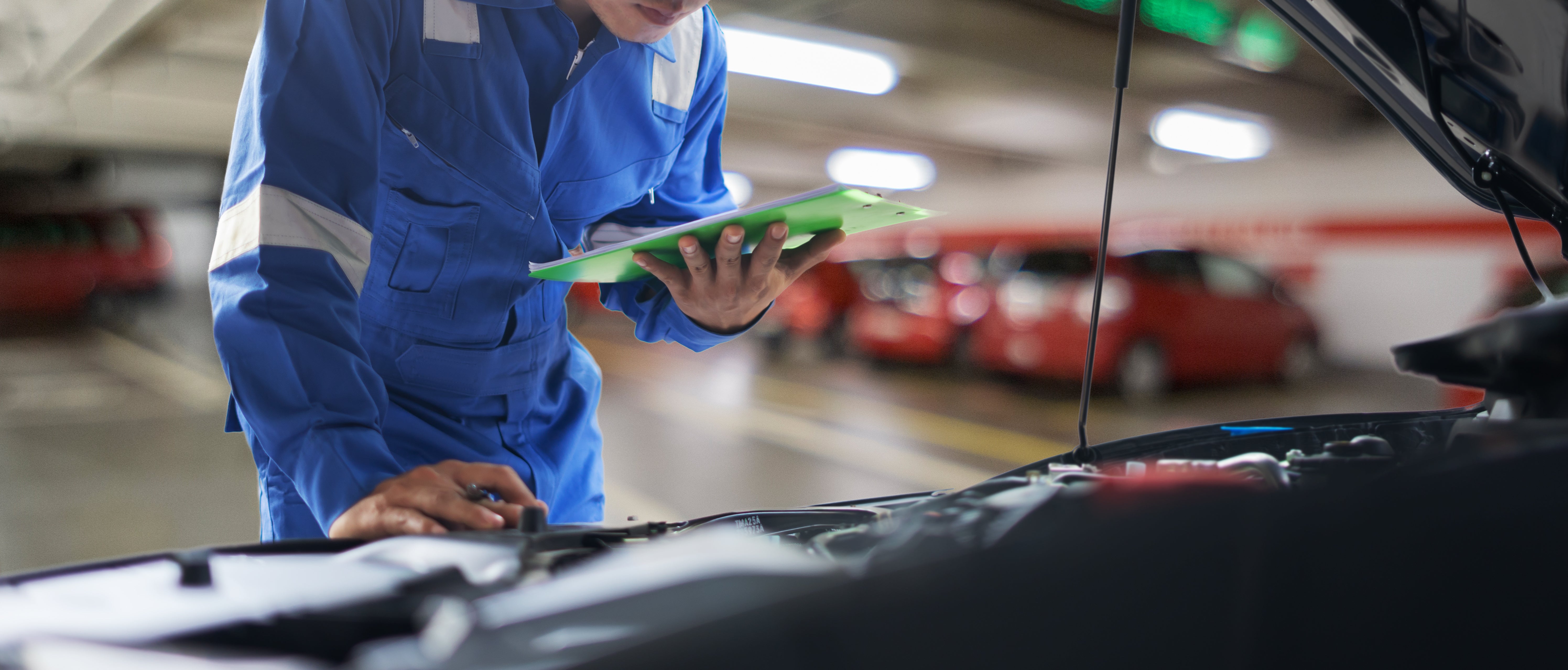
car service, repair, maintenance concept - Asian auto mechanic man or Smith writing to the clipboard at workshop warehouse, technician doing the checklist for repair machine a car in the garage,banner

Resolve to Follow Your Car Maintenance Checklist in 2021

January is the time to celebrate a fresh start. As you pause to examine what changes to your lifestyle and routine you see for 2021, consider what resolutions you could create for your car as well. A smooth running car requires regular maintenance. Continue reading to learn how to integrate a car maintenance checklist into your New Year’s routine. Car Maintenance Checklist Inspect and Rotate Your Tires There are few things worse than finding yourself stuck on the side of the road, flipping through your owner’s manual to learn how to change a tire on the fly. While a flat or blown tire is often unavoidable, there are steps you can take to extend the life of your tires, and those will help save you money and keep your passengers safe. Monitor the tread of your tires. The thickness of the tread will likely indicate how much longer you’ll be able to drive with these tires before they become unsafe. If the tread begins to wear thin, it’s time to start shopping for new tires. You should also check the pressure of your tires once a month by using a tire gauge, and schedule an appointment to rotate your tires every 3,000 to 5,000 miles. During these service appointments, your service technician will do a quick inspection for damage so you can rest assured your tires are still safe to use. Change Fluids and Filters Clean and adequate oil, washer fluid, brake fluid, coolant, and other fluids are vital to the key functions of your car. Neglecting to monitor the levels and quality of these fluids could have disastrous effects on the performance or even safety of your car. Replacing your filters according to the manufacturer’s instructions will help preserve the life and quality of your car. If you are unsure of how to find, clean, or replace these filters, our team at Central City Toyota has these parts available and can take care of this step for you. Wash and Wax Exposure to the elements can wear down the protective clear coat of your car over time. Salt from winter roads, rain, and even sunlight can have disastrous effects on your paint job, which could lead to rust or other unsightly blemishes. A simple wash and wax once a month can create a protective barrier to slow the wear and tear of the exterior of your car. Schedule Service in Philadelphia, PA Book an appointment today at Central City Toyota to get your new year started off right. Our service center provides car maintenance services in Philadelphia, Pennsylvania. Be sure to check out our available service coupons when you come.

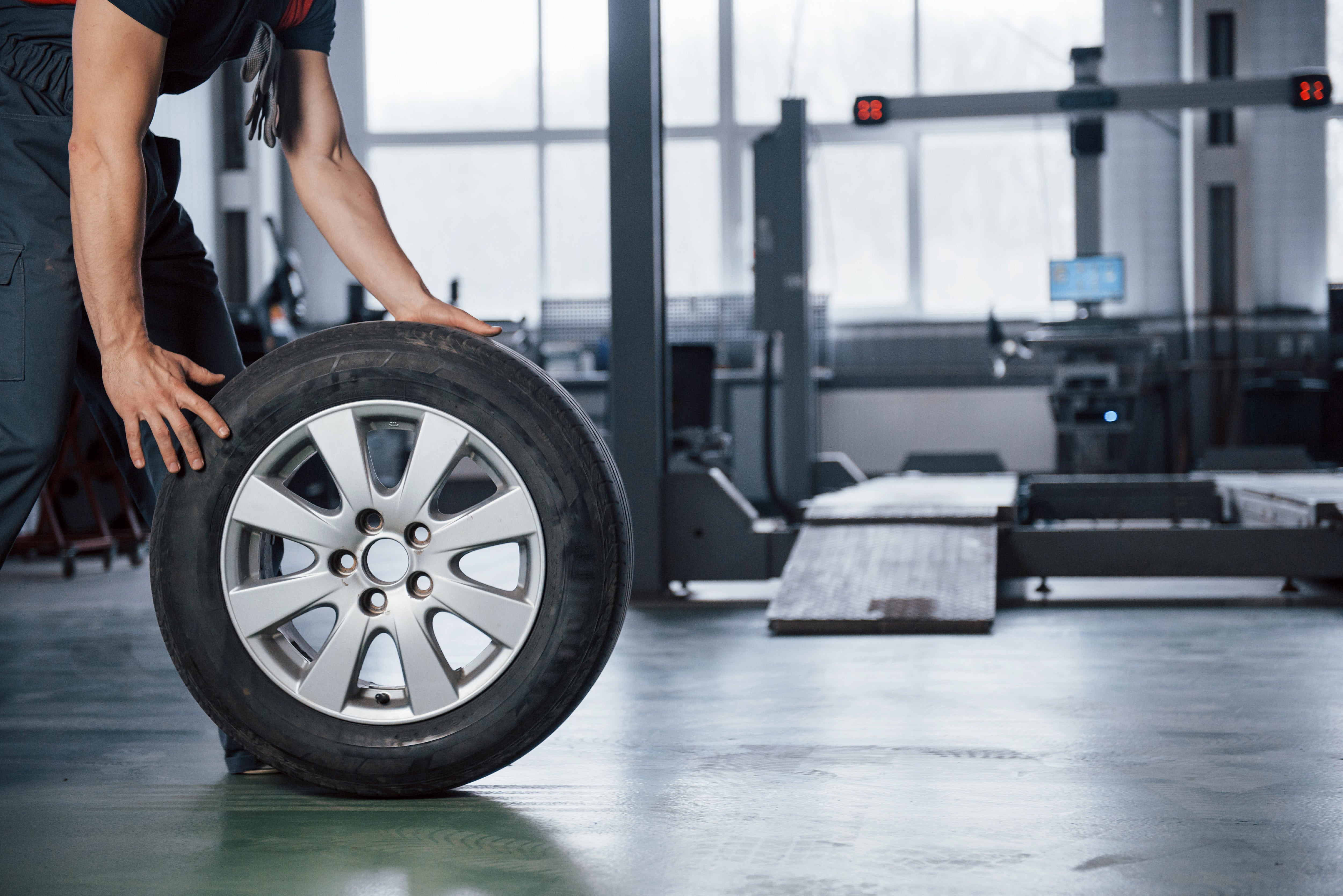
Grounded view. Mechanic holding a tire at the repair garage. Replacement of winter and summer tires

Your Toyota Tire Questions Answered

Want to know how to properly care for your tires in 2021 and beyond? Continue reading to learn the answers to some of our most frequently asked questions. How often should I rotate my tires? Rotating your tires is important for a number of reasons. First of all, it helps your tires to wear down evenly over time. Rotating and balancing your tires also provides a much smoother driving experience. If your wheels are misaligned or if the tires wear unevenly, you’ll notice a distinct shaking of the steering wheel, which can be less than pleasant. It’s recommended that you rotate and balance your tires every 3,000 to 5,000 miles or at least as often as you get your oil changed. How much tread should my tires have? There are a number of factors to consider when deciding whether you have adequate tread on your tires, but in general, it’s time to start shopping for new tires once the tread depth reaches 3/32”. If you consistently drive on snowy roads or if rain is common where you live, then you’ll want to replace your tires a bit sooner. The way to measure the depth of your tire tread is by using a tread depth gauge, which can be found at your local auto parts store. Another trick is to place a penny upside down in the grooves of your tire. If Lincoln’s head can be seen, then that’s a good indicator you’re close to needing new tires. What should the air pressure be in my tires? Tire pressure is measured in pounds per square inch (PSI). The recommended PSI for your tires is specific to the make and model of your car. You can find the recommended PSI in your owner's manual or on a sticker just inside the driver-side door. It’s vital that you monitor the air pressure in your tires, especially when the seasons change, since the tire pressure will fluctuate depending on the temperature outside. Try to check your tire pressure at least once a month to avoid driving on under- or overinflated tires. How can I make my tires last longer? Routine tire maintenance and inspections are the best ways to help your tires last as long as possible. Driving with underinflated tires, misaligned wheels, worn vehicle parts, or consistently driving on harsh terrain can take a toll on your tires. Take proactive measures to stretch the life of your tires. Schedule a Tire Inspection in Philadelphia, PA The tire center at Central City Toyota offers tire repair and replacement services in Philadelphia, Pennsylvania. Schedule service today, and be sure to the advantage of our available service specials when you come.

image for article titled Car Service Tips to Help Prep Your Car for Fall

Car Service Tips to Help Prep Your Car for Fall

Don’t wait until cold, dark weather sets in to find out that the heat or lights in your car are malfunctioning. Continue reading to learn more. How to Prep Your Car for Fall Replace Dimming Bulbs Fall comes with a number of risk factors that require your headlights, brake lights, fog lights, and turn indicators to be working properly. Shorter days mean that you might find yourself driving in the dark more than you did during the summer. You’ll also be sharing the roads with more students as they wait at bus stops or in some locations you may have to look out for increased animal activity on the roads. Another common companion on your morning drive could be fog. Confirming that these lights are all in working order will not only ensure you have clear visibility of the road ahead, it will help other drivers see you clearly as well. Crank the Heat Chances are you haven’t had to use the heat in your car in quite some time. Now that colder weather is settling in, you’ll want to make sure everything in your HVAC system is in working order. Doing so now will make sure you won’t have to bundle up with a jacket, gloves, and hat just to make it through your morning commute. Inspect the Tires Often the last thing on our minds, tire health is an important thing to monitor and check in the fall months since bald tires will do little to help you navigate frosted or icy roads. If you can’t remember the last time you had your tires inspected, rotated, and aligned, now is the perfect time to do so. Your technician will be able to assess whether your tires can safely survive another cold season or if they should be retired and replaced. He will also be able to look for and patch any minor damages before further wear and tear set in. Finally, you should check to ensure each tire is adequately inflated. The cold air outside the tires causes the air within the tire to compress, therefore lowering the tire pressure well below recommended levels. Keep a tire pressure gauge handy to check that your tires are properly inflated. Schedule Fall Service in Philadelphia, PA Don’t wait another day to schedule service at Central City Toyota. Our service center will ensure everything is in working order before the colder weather arrives. Don’t forget to ask about our available service specials when you come in.

car sanitation

Tips for Better Car Sanitation

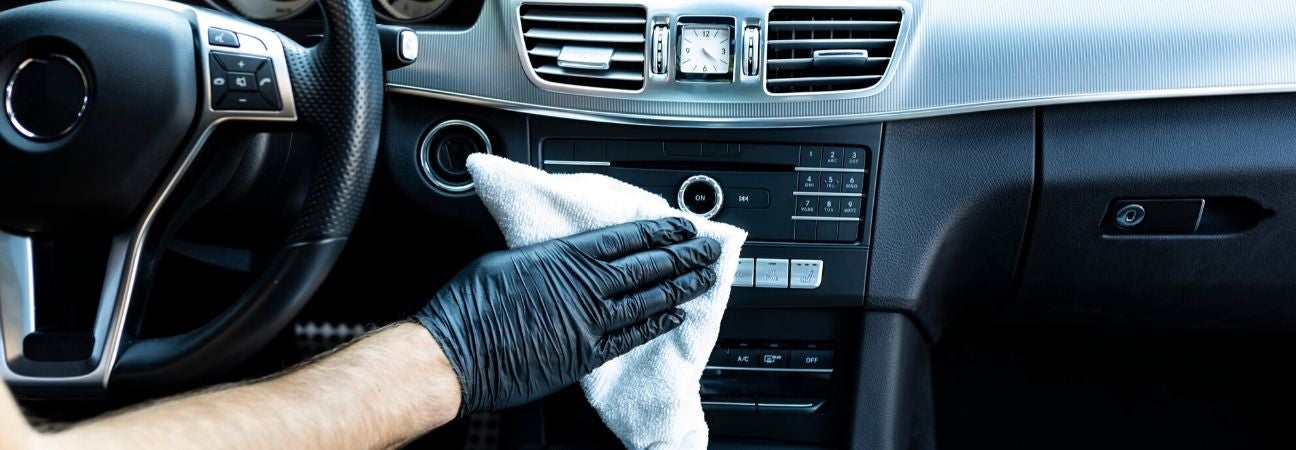
Recent times have made people more aware of sanitation. People are upping their sanitation game in their homes, workplaces, and public facilities as a result. But one place that is often overlooked in the sanitation conversation is our vehicles. Because our cars are often warm and full of stagnant air, they can be breeding grounds for germs and bacteria. Below are some car sanitation tips every driver should follow. Key Areas of Focus When Sanitizing Your Car There are three important areas to consider when sanitizing your car: high-touch surfaces, seats and floors, and cabin air. High-Touch Surfaces High-touch surfaces are the places we grab, hold, and touch. And because we’re often touching these surfaces immediately after eating, working, or touching public infrastructure, they can harbor a lot of germs and bacteria and even viruses. In fact, certain viruses can live on metal, plastic and glass surfaces for 3 or more days. The high-touch surfaces on your car that you should be mindful of cleaning include: Door handles Seatbelts and seatbelt fasteners Steering wheel Shifting knob Parking brake Power or manual window and sunroof or moonroof controls Turn signal and wiper blade controls Dashboard dials such as radio, GPS, heating, and air conditioning Console areas and arm rests These surfaces can be cleaned with sanitizing wipes or preferably an isopropyl alcohol solution. Try to give these areas a good wipe down at least a couple times per week and anytime you carry passengers or pets. It’s also wise to take a bottle of hand sanitizer with you in your car. Every time you enter your car — and especially after using a gas pump or running errands — use some sanitizer on your hands before touching anything else. Seats and Floors Softer surfaces such as the seats and flooring attract dirt and food particles and should be vacuumed on a regular basis. You can even shampoo these surfaces just as you would the carpet in your home. Don’t let trash and debris accumulate in your car, and be especially mindful of any car seats as they can foster an increased amount of food and dirt. Cabin Air The air we breathe can be just as harmful as the things we touch. Your car has a filter inside the cabin that cleanses the air you breathe while driving. Have this cabin air filter checked regularly and replace it when it begins looking dirty. Don’t Forget to Have Your Car Serviced We should all be taking steps to better sanitize our cars, but nobody should be neglecting proper service either. While you keep your vehicle clean, the service center at Central City Toyota near Philadelphia, PA, can keep it safe. Whether it’s brake service, oil changes, tire rotations or more, Central City Toyota has you covered. Check out our service specials including our Breathe Easy Special, where you can save money on a new cabin air filter. At Central City Toyota, we’re doing our part to keep you safe and sanitary on the road ahead.

vehicle-satefy-technology

Explore the Highlights of These Available Toyota Safety Features

If you’re looking for a car that’s equipped to help you navigate rush-hour traffic safely, consider a Toyota. Packed with Driver-Assistance features, Toyota models can help you monitor and respond to potential threats around you. Continue reading to explore some of the highlights of the Toyota Safety Sense™ safety suite. Toyota Safety Sense™ (TSS) Highlights Dynamic Radar Cruise Control Dynamic Radar Cruise Control (DRCC) helps to maintain a safe distance between you and the car ahead while traveling on the highway. With traditional cruise control, you are responsible for adjusting your speed to match the car ahead. With DRCC, you can set your speed and relax knowing that the radar in your front grille will adjust your speed to maintain a preset distance from the vehicles ahead. If braking is required, your Toyota will notify you audibly and visually before brakes are engaged. In models with automatic transmission, available Full-Speed Range DRCC can operate from 0-110 mph. This means that your Toyota can automatically adjust its speed all the way to a complete stop to avoid collision. Pre-Collision System With Pedestrian Detection By utilizing a camera, radar sensors, and laser sensors, Pre-Collision System With Pedestrian Detection (PCS w/ PD) can help you avoid or mitigate collisions by detecting pedestrians or other vehicles ahead of you and alerting you to take evasive measures when necessary. If a potential collision is detected, you will be alerted audibly and visually to hit the brakes. Brake Assist (BA) will heighten the responsiveness of your braking or will even brake automatically to help you avoid a collision. Certain models can also detect cyclists during daylight hours using Bicyclist Detection. Like Pedestrian Detection, Bicyclist Detection will audibly alert you if a collision seems possible so you can brake or steer accordingly. Lane Departure Alert When traveling at speeds over 32 mph on roads with visible lane markings, Lane Departure Alert (LDA) can detect if you begin to drift into another lane. If drifting is detected, an audio and visual notice will alert you to safely recenter your car in the lane. Certain models also offer Steering Assist which can make subtle adjustments to your steering to help you stay in your lane. With available Road Edge Detection, your Toyota will also be able to detect if your car is drifting off the road, even if a visible lane marker is not present.

change-your-battery-philadelphia-pa

When It’s Time for a Toyota Battery Change

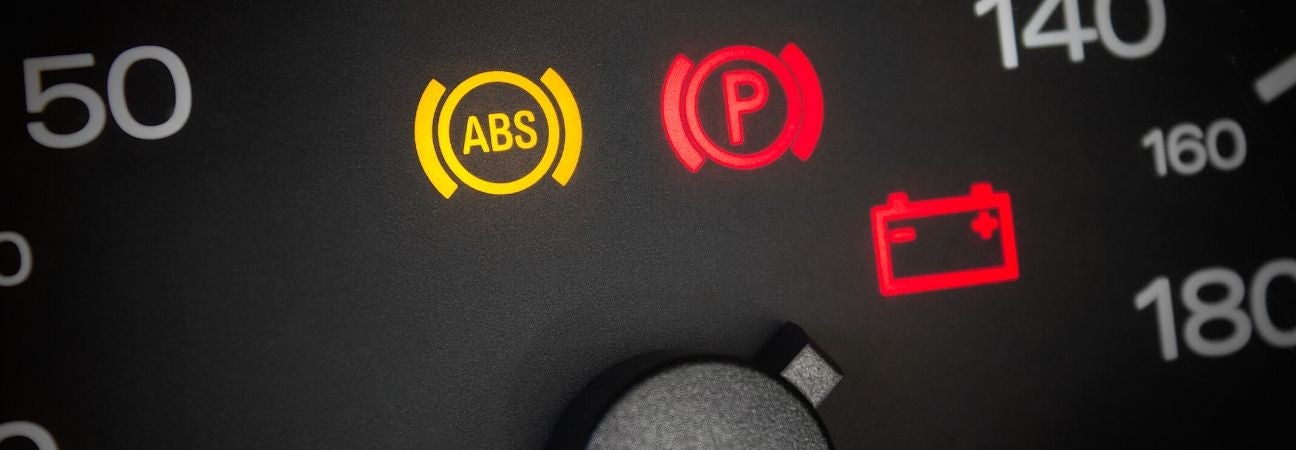
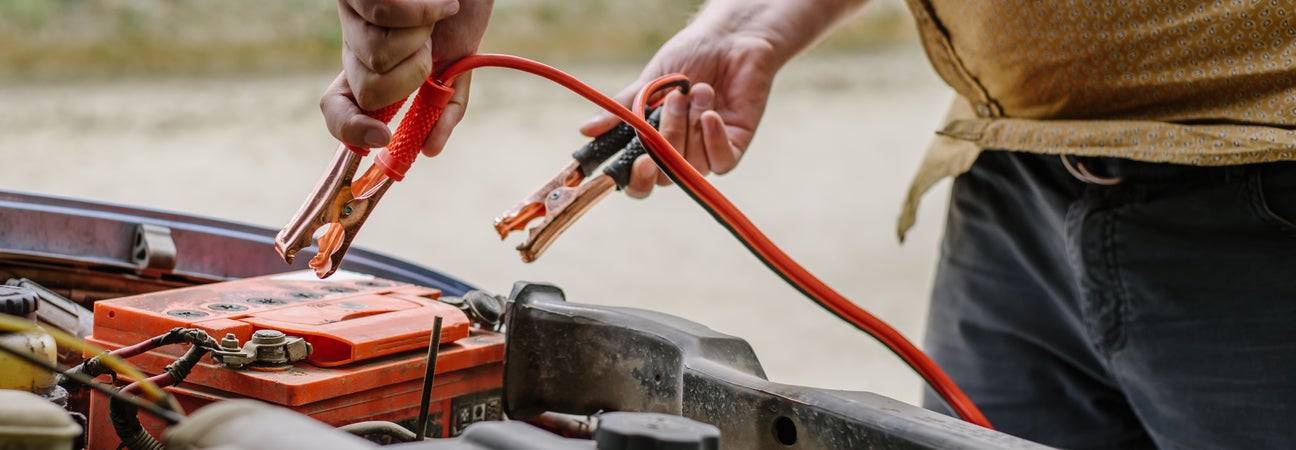
In order for the electrical systems in your car to function, you need to have a healthy battery in place. Over time, even the most robust battery will succumb to everyday use and regular wear. Your battery is especially susceptible to those harsh Philadelphia winters. When your battery goes, you could find yourself stalled. To avoid this, stay on top of battery maintenance, and have your car battery replaced before it expires. Here are a few signs that it’s about to happen. 4 Signs It’s Time for a Battery Change Your engine is noticeably slower to start If the engine in your car is taking longer than normal to turn over, it could spell trouble for your battery. If you hear a clicking sound, and your engine is completely dead, there’s a good chance your battery is responsible. You notice electrical issues Are your headlights dimmer than usual? Are your windshield wipers relaying properly? What about your power windows? If you run into problems with your car’s electrical systems — even if it’s on a come-and-go basis — a bad battery could be the culprit. Warning lights have been activated If your dashboard battery light is illuminated, you’re obviously going to suspect something is amiss with the battery. But did you know that other lights, including the check engine light, can indicate a weak battery, too? Your battery is close to its warranty date It’s not unheard of for a quality car battery to hold up for a good five or six years. That doesn’t mean that you should forget about it, though. Do you remember the date of your last battery replacement or the warranty expiration date? Finding out will give you an idea of what you can expect. Schedule Service in Philadelphia, PA Stay on top of battery maintenance for your car, and make sure you don’t get stuck somewhere. To make an appointment in our service center, contact Central City Toyota at your next opportunity. The service team at Central City Toyota is here to assist you in battery diagnostics, repair, replacement, and more.

oil-change-philadelphia-pa

How Often Should I Get an Oil Change?

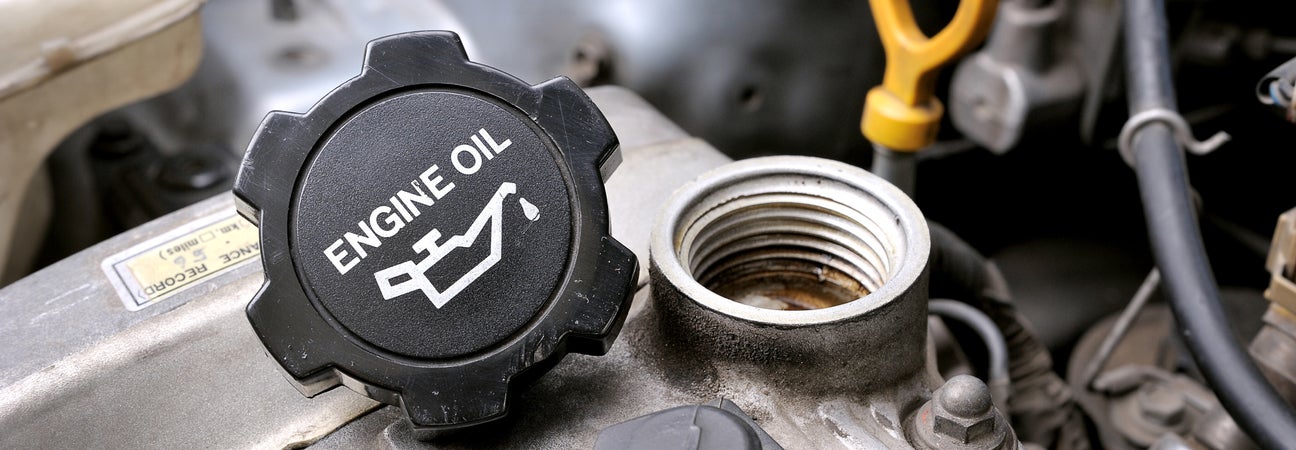
Most car owners are well aware that in order to keep their car functioning at peak condition, they need to invest in some basic, routine maintenance. One example of this is an oil change. Getting an oil change at regular intervals extends your car’s lifespan, enhances its performance, and prevents engine failure. The big question is, how often do you actually need to get your oil changed? It’s a question without a simple or straightforward answer. It really depends on the kind of car you’re driving, and the conditions in which you drive it. Determining How Often You Need an Oil Change There are a few steps you can take to determine the regularity with which your engine oil should be changed. The easiest way is to simply consult your owner’s manual. This manual was written by the engineers who designed your car, so they know better than anybody what its service needs are. If you can’t locate your owner’s manual, try a Google search. Many automotive manufacturers make manuals available online. Alternatively, a service technician can advise you on how regularly you should have your oil changed. Simply contact our service center for an estimate. Signs You’re Due for an Oil Change In addition, be alert to the following red flags, any one of which is a clear indicator that your car is due for a service visit. Your Check Oil light is illuminated on the dashboard. You hear a grinding or clunking sound coming from your engine. Your oil level is lower than recommended (check this using the dipstick). Your engine oil is dark or dirty (again, check with the dipstick). You notice blue smoke coming from your exhaust pipe (this means your car is burning oil, and it points to an urgent maintenance issue). Schedule an Oil Change Today in Philadelphia, PA Having a routine oil change is critical for ensuring your car runs as intended — and it can save you from costly repair needs down the road. If you have any questions about your vehicle’s service needs, or you’re ready to schedule an oil and filter change, reach out to Central City Toyota today.

a car salesman helping two customers find the right car for them

What Are the Benefits of Buying Used vs. Certified Pre-Owned Cars?

When purchasing a new car for yourself, you’re looking for something that is both reliable and affordable. Many brand new cars may be a bit out of your budget. Fortunately, there is another option: pre-owned. Nowadays, you can find used cars that are dependable and that won’t break the bank. Before you start shopping, make sure you’re fully informed about the differences between used cars and certified pre-owned (CPO) vehicles, as well as the benefits of shopping for one over the other. Buyer’s Guide: Used vs. CPO Cars Certified Pre-Owned Cars Certified pre-owned cars come with a manufacturer-backed warranty that can extend the typical warranty for up to several years. This means that you can rest assured knowing that your car will be serviced for most issues without you having to pay an exorbitant amount of money out of pocket. In addition to the warranty, certified pre-owned cars are typically those in the best condition out of a dealership’s inventory. Purchasing certified pre-owned is the closest you will get to buying a new vehicle while shopping at used car values. Used Cars Used cars have one major benefit over their certified counterparts: lower cost. Since these often don’t come with a warranty, you may not have to pay as much out of pocket. The money you save can instead go into an emergency savings account that you can use in case of an issue down the road. Another benefit for some used cars is that they may not even require an extra warranty. Depending on how new the car is, it might have some remaining factory warranty when you make the purchase. However, it is wise to consult with the seller to ensure that the warranty can be transferred to a new owner. Purchase Pre-Owned Cars Near Philadelphia, PA Once you’ve decided on purchasing a certified or non-certified pre-owned car, you need to find a reputable dealer. If you’re in the Philadelphia, Pennsylvania, area, come by Central City Toyota and check out our large inventory of used cars for sale. You can also schedule a free test drive so you can get a feel for the car before you purchase.

Contact Us

Fill out this form below and we'll contact you shortly
*Required Fields