
Blog

5 things your car will finally do in 2020!

By John Brandon

We'll spare you the far-future posturing and flying-car jokes, but the truth is -- for the 200 million automobile owners in America, the future looks bright. In fact, we've already made some pretty impressive headway. The 2008 Mercedes S-Class can change lanes on the highway automatically, and both the Toyota Prius and the Lexus LS-460 can self-park at the push of a button.


But that's just a drop in the bucket compared to what's in the works. With eyes wide and mouths agape, we peeked under the curtain at the cars of the future. Here's what we can tell you about what you'll be driving in 2020.


1. Your car will predict the future


Self-parking cars are great and all, but there's a big difference between features of convenience and the kinds of safety technologies on the horizon. We're talking about cars that can see into the future and react on a dime -- whether that means detecting a person crossing the street or swerving to avoid oncoming traffic.


There's no doubt the artificial intelligence required to protect you from those dangers is incredibly sophisticated, but it's becoming more widely available every day. Vehicles equipped with hundreds of sensors will be able to monitor their surroundings, both from a short-range perspective (to detect things like barriers and stop signs) and a long-range perspective (to detect things like a truck barreling toward you). But they won't be working alone.


Cars of the future will also utilize video monitors located at intersections. Currently planned for many towns and cities across the United States, these monitors will feed data to your car over a wireless network. From as far as 30 miles away, they'll be able to transmit video imagery right to your dashboard. So, if you didn't see that pedestrian walking into the street, the video system would know where you were, know about the pedestrian, and warn you to pay attention.


It's similar to Google's new Street View maps system. Already available in larger cities like San Francisco and New York, the application shows fluid, 360-degree video images of nearly every block in the area. And while it's only accessible from computers now, similar real-time images will soon be available right on your dash.


Taking the concept one step further, engineers also plan to equip cars with computer processors that can analyze these kinds of video feeds to assess abnormalities in traffic. So rather than just warning you of an upcoming obstacle in the road, cars will use the data to deploy airbags at just the right location within the vehicle. Or, they could decide to take over the steering when needed.


Basically a smarter version of the existing Electronic Stability Control feature (available on several luxury car models now), the cars will monitor weather and traffic, and adjust tire speeds to make sure you stay on the road and don't flip the vehicle. How long 'til everyone on the block has one? The system will be required on all new U.S. cars for the 2012 model year, but you should expect to see it even sooner than that.


2. Your car will talk to the road and the road will talk back


It's one thing to have a car that senses other vehicles, but something else entirely to have the road itself know where your car is at all times. To make that possible, city governments and automakers are joining forces to launch new Dedicated Short Range Communications (DSRC) systems. Using short-range wireless signals, vehicles will be able to communicate not only with each other, but with all the infrastructure on the road.


Transportation agencies in cities across America currently have plans to install DSRC technology at major intersections and high-accident areas. In response, major auto manufacturers will offer DSRC support for their cars.


The communication network will monitor where cars are traveling, as well as read traffic-light information and road-sign sensors. With both cars and roadways enabled, formerly unimaginable safety benefits will become a reality. For instance, ambulances will be able to trigger upcoming traffic lights to change from red to green.


But there are plans to go even further. According to DaimlerChrysler, old satellites (accurate to about 3 feet) could be replaced with much more powerful Global Positioning System (GPS) satellites, which could pinpoint your vehicle to a few centimeters. And while there are only 30 active GPS satellites in space today, engineers hope to have as many as 50 in the future.


The new system will be able to track weather conditions and suggest alternate routes. For example, you could avoid a tornado in Kansas or damaging hail in Fargo, or loop around Chicago traffic using real-time data that's continually updated.


3. Your car will take itself into the shop for maintenance


Having wireless networks set up along the roadways -- such as those necessary for seeing images of upcoming intersections -- translates to endless possibilities for cars and drivers in the future. Example: Imagine passing a maintenance station that remotely signals your in-car navigation system that it's time for an oil change. Better yet, it could go ahead and wirelessly upgrade your car's software modules or check the performance of its safety sensors.


Perhaps even more exciting are the possibilities for electric hybrids. Once electric cars outnumber gas-engine cars, satellite-based wireless power systems could recharge vehicles from space. How's that possible? The satellites would gather solar energy from space and then transmit the power to a receiver on the vehicle via a wireless signal. It would work the same as a wireless computer network, except the signal would carry energy instead of data.


4. When you drive through McDonald's, your car will be debited, not your VISA


Microprocessors are already embedded into many parts of an automobile -- from an engine's control-valve timing system to the seat controls. So why not have a microprocessor that manages financial transactions? Several states already offer special debit cards that mount to your windshield as you pass through a toll, but those are primitive compared to what's to come.


In the future, when you pull into the drive-thru at a fast food restaurant, a local Wi-Fi network will be able to communicate with your vehicle by way of an encrypted wireless signal. In other words, after you order your food, the car will automatically make the financial transaction. And the electronic signature? It's likely that the navigational systems in your car will have expanded beyond route planning and safety warnings into something involving a signature pad that would allow you to type in a passcode (or use a fingerprint or eye retina scan) as an electronic signature.


Once the infrastructure is in place, your car will become like a mini-ATM for drive-thru establishments. Of course, whether or not that's a good thing for your budget remains to be seen.


5. Go ahead, take a nap. Your car will drive itself


Futuristic cars tricked out with their own ATMs and self-maintenance features sound nice, but for many engineers, that's just the tip of the iceberg. The real holy grail? A fully automated, driverless car.


Shining a big spotlight on such efforts is DARPA (the Defense Advanced Research Projects Agency), a Department of Defense organization aimed at perfecting the robotic technology needed for safe, autonomous military vehicles.


In 2005, Stanford robotics expert Sebastian Thrun won the DARPA Grand Challenge with his autonomous car, Stanley. Although the competition is aimed at developing machinery to protect soldiers, Thrun believes the technology will reach civilians sooner than you might think. And driverless cars, he believes, could save thousands of lives each year.


In June 2007, Thrun's new robotic roadster, Junior, completed several test runs in preparation for the DARPA Urban Challenge (scheduled for November 2007). Although Junior never went faster than 15 mph, it made a three-point U-turn and navigated through a four-way stop. That's right; Thrun is getting close to achieving a fully automated, road-ready car.


Where could this lead? Well, a highway system for starters -- say, from San Francisco to Los Angeles -- for driverless vehicles only. Using a wireless signal, barriers on either side of the road could communicate with cars to keep them on track. And vehicles could simply use older cruise-control technology to maintain steady speeds.


Conceivably, this would allow drivers to sleep through long stretches of highway -- or at the very least read the morning paper and drink their coffee. Another advantage is that these routes could have less restrictive speed limits -- likely well over 100 mph -- which could redefine the morning commute for many.


( Source: http://bit.ly/14PIxh5 )
Recommended Posts

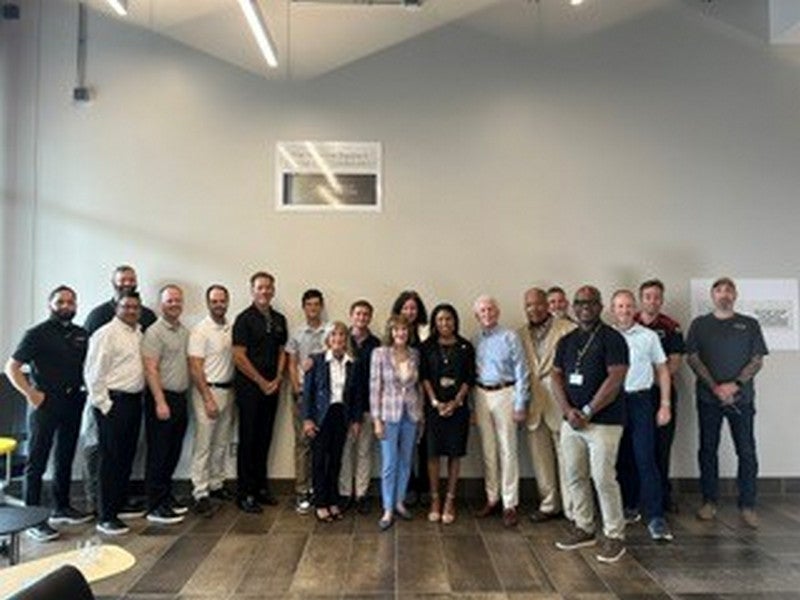
Central City Toyota team members celebrate partnership with Community College of Philadelphia’s Career and Advanced Technology Center during dedication event

Central City Toyota Celebrates Lasting Partnership with Community College of Philadelphia’s Career and Advanced Technology Center

At Central City Toyota, our commitment to the community extends beyond helping drivers find reliable Toyota vehicles and quality automotive services. We believe in supporting organizations that create opportunities, encourage growth, and help prepare the next generation for success. Our partnership with the Community College of Philadelphia (CCP) reflects our dedication to education, workforce development, and the students who will help shape the future. Recently, our team had the opportunity to visit the Community College of Philadelphia’s Career and Advanced Technology Center (CATC) to learn more about the innovative programs and opportunities available to students. The visit allowed us to connect with students, faculty, and members of the CCP team while gaining a closer look at the important work happening throughout the facility. Celebrating a Meaningful Partnership With Community College of Philadelphia During our visit, we had the privilege of meeting with members of the CCP team, including Dr. Zanjani, Chris Lewis, Daniel Reed, Carmelo Robles, Richard Saxton, Ron Sizer, and Corrine Miller. We enjoyed learning more about the educational programs, resources, and career-focused experiences offered through the Career and Advanced Technology Center. The Community College of Philadelphia has long served as an important resource for the Philadelphia community by providing students with access to education, training, and career opportunities. Through facilities like CATC, students can gain hands-on experience and develop skills that support their professional goals. Central City Toyota is proud to support initiatives that create meaningful opportunities for students and families throughout the region. We are honored to be part of a partnership focused on strengthening the community and helping prepare future generations for success. CATC Lobby Dedication Recognizes Community Support As part of this special partnership, the first-floor lobby of the Career and Advanced Technology Center is being dedicated to Max & Sandi Paul, Brad & Shira Paul, as well as Ardmore Toyota and Central City Toyota. This dedication recognizes the lasting impact of the support provided by these families and organizations. On Wednesday, August 5, 2026, members of our team joined the CCP community to capture photos at the future dedication location. Standing together in front of the dedication mock-ups created a memorable moment and provided an opportunity to reflect on the importance of this partnership. The gathering allowed everyone involved to recognize the lasting legacy this support will create. Partnerships between businesses and educational institutions help ensure students have access to valuable resources, training, and opportunities that can positively impact their futures. Supporting Education and Building Stronger Communities The partnership between Central City Toyota and Community College of Philadelphia represents the impact that collaboration can have on education and workforce development. By supporting programs that provide students with career-focused learning opportunities, we can help strengthen the communities we serve. The visit was also a chance to celebrate the relationship that has grown through this partnership. Team members, students, and CCP representatives shared conversations, reflected on the importance of the collaboration, and enjoyed time together over a delicious lunch from Hymie’s Deli. Central City Toyota is grateful for the opportunity to partner with Community College of Philadelphia and support the continued success of the Career and Advanced Technology Center. The lobby dedication represents more than a physical space — it represents a shared commitment to education, opportunity, and creating a positive impact for future generations of students. We look forward to continuing our partnership with CCP and supporting initiatives that help make a difference throughout Philadelphia and the surrounding communities.

A red and black Toyota sedan parked on a street next to a white sedan and a dark SUV, with brick buildings in the background.

The Real Cost of Buying a Used Vehicle and How to Prepare for It

Finding the right used vehicle often starts with the price on the windshield, but experienced shoppers know that's only part of the story. At Central City Toyota Preowned in Philadelphia, PA, one of the most common conversations with used-car buyers involves understanding ownership costs beyond the purchase price. Maintenance, wear items, registration fees, and future repairs can all influence the overall value of a vehicle. The good news is that most of these expenses are predictable if you know where to look before you buy. more Start by Looking at the Maintenance History A used vehicle arrives with a history. Sometimes that history is well documented. Other times, records may be incomplete or unavailable. Either way, it's important to understand what maintenance has been performed and what services may be approaching. Oil changes, fluid services, air filters, spark plugs, and other routine maintenance items all follow recommended schedules. If there's uncertainty about when those services were completed, it may be wise to plan for them shortly after purchase. A vehicle that has been properly maintained is often a better long-term value than one with a lower price but an uncertain service history. Mileage and Age Tell an Important Story Mileage alone doesn't determine whether a vehicle is a good purchase. However, age and mileage together can provide useful clues about future maintenance needs. Components such as batteries, suspension parts, belts, hoses, and other wear items naturally age over time regardless of how carefully a vehicle has been driven. That doesn't mean these vehicles should be avoided. It simply means buyers should understand what maintenance and repairs may become necessary in the coming years. A professional pre-purchase inspection remains one of the best ways to identify potential concerns before making a commitment. Pay Close Attention to Tires and Brakes Tires and brakes are among the most common expenses new owners encounter after purchasing a used vehicle. Tread depth, tire age, and overall condition can provide valuable insight into future replacement needs. Likewise, brake pads and rotors should be inspected to determine how much service life remains. Neither of these items should necessarily discourage a purchase, but they should be considered as part of the overall ownership budget. Understanding their condition before buying helps eliminate surprises later. Don't Forget Taxes and Registration Costs Mechanical expenses aren't the only costs buyers should consider. Sales tax, title fees, registration fees, and other government charges can add a noticeable amount to the final transaction. Buyers throughout Philadelphia and surrounding communities should account for these expenses when establishing their overall budget. A vehicle that appears affordable initially can look quite different once all associated costs are included. Planning ahead helps ensure there are no unexpected financial surprises during the purchasing process. Why a Vehicle History Report Matters One of the simplest tools available to used-vehicle shoppers is a vehicle history report. These reports can provide information about previous ownership, reported accidents, title history, and open recalls. While they don't tell the entire story of a vehicle, they offer valuable context that can help buyers make more informed decisions. Combined with a professional inspection, a history report can significantly reduce uncertainty when evaluating a used vehicle. Build a Small Ownership Cushion Even the best-maintained used vehicle may require attention after purchase. That's why many experienced buyers leave room in their budget for unexpected expenses. Having funds available for maintenance, tires, batteries, or minor repairs can make ownership considerably less stressful. Rather than stretching every dollar toward the purchase price, it's often wiser to leave some flexibility for future needs. A little preparation today can help avoid larger frustrations tomorrow. Shop with Confidence in Philadelphia, PA Buying a used vehicle doesn't have to feel complicated. By reviewing maintenance history, evaluating tires and brakes, understanding registration costs, and arranging a professional inspection, buyers can gain a much clearer picture of long-term ownership costs. Drivers throughout Philadelphia, South Philadelphia, Center City, University City, and the surrounding Delaware Valley can explore quality pre-owned inventory at Central City Toyota Preowned. With the right information and a thoughtful approach, finding a used vehicle that fits both your needs and your budget becomes a much more straightforward process.

Former Paul Bros Auto Body building in Philadelphia, PA, now Central City Toyota Collision Center

A Familiar Sign, A New Chapter: Introducing Central City Toyota Collision Center

Central City Toyota is proud to announce the transition of Paul Bros Auto Body to Central City Toyota Collision Center. While the name is changing, our commitment to providing trusted collision repair services, expert craftsmanship, and exceptional customer care remains the same. more For more than a century, Paul Bros Auto Body has been a recognized name in collision repair throughout the Philadelphia community. Founded in 1905 by Max Paul as a small bicycle repair shop in Old City Philadelphia, the company grew alongside the automobile industry and became a leader in automotive repair and collision services. Throughout its history, Paul Bros. has proudly served the Philadelphia area through some of the most challenging times, including world wars, economic hardships, and global events. The company’s dedication to its employees, customers, and community has remained at the heart of its success. In 1969, Central City Toyota was established, and together with Paul Bros., continued building a reputation as a trusted destination for Toyota collision repair in the Philadelphia area. Today, Central City Toyota Collision Center carries forward that same tradition of quality, experience, and community commitment. The Same Trusted Collision Repair Services Remain While the name on the sign is changing, the quality of service and expertise you’ve trusted from Paul Bros. Auto Body will continue at Central City Toyota Collision Center. Our experienced team remains dedicated to providing professional collision repairs with the same attention to detail and commitment to customer care. Complete Collision Repairs Vehicle repairs today involve much more than restoring exterior damage. Modern vehicles rely on advanced computer systems, sensors, and driver assistance technology that require specialized knowledge and equipment. Our technicians use Toyota OEM software to help identify potential issues with vehicle computer components and safety systems. We follow manufacturer repair recommendations to help ensure repairs are completed properly and safely. Professional Paint and Refinishing Services Our paint department continues to focus on delivering high-quality finishes with precise color matching. We use Glasurit paint, a leading name in automotive refinishing, and our technicians bring more than a century of combined industry experience to every repair. Whether your vehicle needs minor refinishing or extensive collision restoration, our team works carefully to restore its appearance and help it look its best. Lifetime Warranty on Workmanship The commitment to standing behind our work remains unchanged. Since 1905, customer satisfaction has been a core part of our philosophy. Central City Toyota Collision Center provides a written lifetime warranty on workmanship for qualifying repair work. We stand behind the repairs performed by our facility and remain committed to addressing any workmanship concerns according to the terms of the warranty. Continuing a Legacy of Trust in Philadelphia As part of the Central City Toyota family, customers can continue to expect the same knowledgeable team, attention to detail, and high standards that have made Paul Bros. Auto Body a trusted collision repair provider for generations. Located at Central City Toyota in Philadelphia, our collision center remains dedicated to helping drivers get back on the road with confidence while continuing the legacy built over more than 120 years. We look forward to serving you for many years to come as Central City Toyota Collision Center.